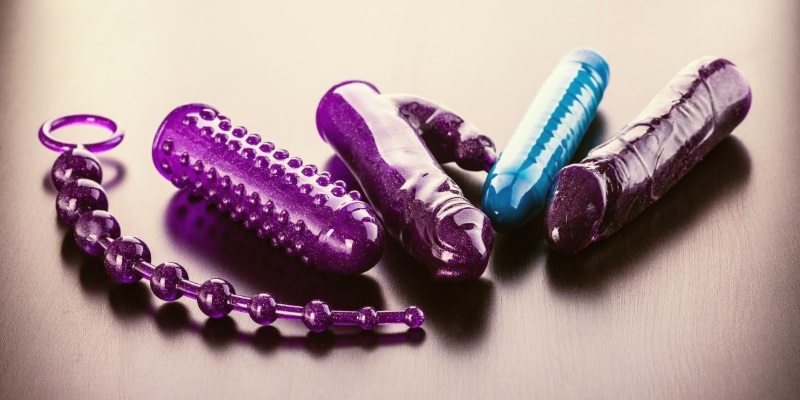
For those of you who really want to spice up their sex lives, sex toys are a great option, especially if you purchase from our official recommended retailer Blissful Cherry. However, it is important to keep in mind that without taking the necessary precautions with sex toys, yourself even more vulnerable to infections and other health issues. Let’s talk about the main things to keep in mind for those of you who want to actively get involved with using sex toys. Following the below tips can help not just to maintain your own sexual health, but also help to keep your toys lasting for a long time.
Use the right sex toy materials
There are so many different options for sex toys out there, that some may be inclined to just buy the cheapest thing they can find. However, that is a very bad idea as cheap typically means that the sex toy is made from materials that are not conducive to a healthy sex life. The biggest red flag when looking at buying sex toys is when you see the word “jelly”. This material is very bad as it has plenty of microscopic holes that trap in bacteria, even if you try to wash them. Not only is leaving tons of bacteria on your sex toy totally unsafe (as we’ll discuss below), this inevitably leads to the sex toy needing to be thrown out sooner, meaning less bang for your buck.
The better alternative is to use silicone. Not only is it a tightly-sealed material that keeps all bacteria out, but it also feels the nicest. Plastic is also a decent option for sex toy material, depending on the specifics of the plastic itself. Overall though, just be sure to ask as many questions as possibly about the makeup of your sex toy before purchasing it. If it looks like the price is just too good to be true, double check what the actual material being used is. Often, the price is being reflected by a lower quality material, in which case you should stay away.
Choose the correct lube as well!
Not all lubes are created equal, especially when using it with your sex toys. This tip for the most part requires asking with the sex toy seller themselves on what lubes will work with each of the sex toys you intend to purchase. One general rule of thumb though is that water-based lube works the best for a wide range of sex toy materials. It is the simplest lube out there (and readily available at your local Walgreens), with minimal additional ingredients such as oils which can really mess up your sex toys over a long period of time.
Wash them before or after every use
While it may seem obvious to some, for others, they may not think twice if they leave their sex toys unwashed for extended uses. But while the toy may look sanitary on the surface going based off the fact that the toy looks dry and not discolored, it is not clean unless you wash it properly.
Note that it is not technically not an issue to leave a sex toy sit unwashed after you’ve used it. The issue only really comes into play when you are about to use it the next time. In other words, waiting to clean your sex toy until you are about to use it again is perfectly fine. However, this only applies to safe materials as mentioned above. These toys will have bacteria on the surface of the toy which can easily be removed by washing it, even later. However, using jelly or other materials will let the bacteria seep into the small pores and crevices of the device, making it that nearly impossible to clean thoroughly after the fact. Put another way – if you are using a safe silicon material, just make sure it gets cleaned at some point before you next use it. But if you are using an unsafe material (which we strongly do not recommend), cleaning the sex toy immediately after use is a must.
Do not share sex toys
This is very similar to our above point about washing sex toys but differs in the type of risk involved. While not washing sex toys that only you use can lead to bacteria buildup on a general level, sharing toys with someone else puts you at high risk of becoming infecting by any STIs that the other people may have. Any of someone else’s fluids that remain on the sex toy can easily be transferred to you when you use the same sex toy in immediate succession, thus effectively resulting in the transfer of bodily fluids between partners. This is a very common way for STIs to spread!
And this doesn’t just mean to wash sex toys before letting someone else use the same sex toy either. Washing sex toys before use still carries an inherent (although admittedly low) risk. Not only can you or your partner fail to adequately wash the sex toy well enough before handing it off to the other person, one of you may neglect to wash the sex toy altogether, which is just about the worst thing that could happen. As convenient as it may seem to share a sex toy with someone, even if you know and trust them well, it is always better to avoid sharing as a matter of health and safety. By taking full responsibility of your sex toys, you not only help to ensure that it is properly cleaned after each use, but that your sex toy lasts a long time through proper maintenance and care that comes only with taking ownership of your own sex toys.
Make the most out of your sex toys today!
As you can see, owning sex toys isn’t as easy as just buying one and reaping all the pleasurable benefits. There is a lot that goes into owning a sex toy, starting from purchasing one of the right material (and accompanying lube if necessary), to following the right guidelines for using your sex toys. However, following all these steps do make a huge difference not just in your own sexual health, but also in extending the lifetime of your sex toy, and therefore how much pleasure you can get out of it in the long run. Follow our tips and you will be making the most out of your sex toys for years to come, while remaining safe from infection as well!